History of the Village
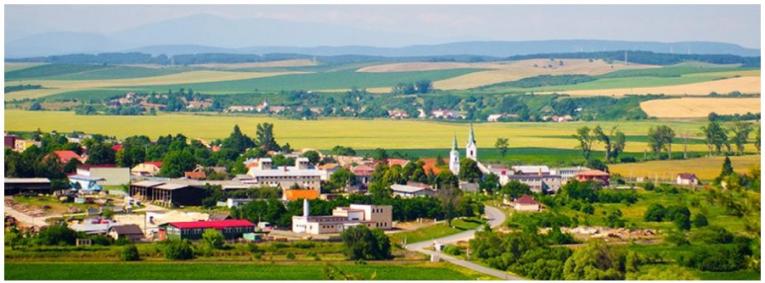
Nestled in the Rimava Basin of the Central Slovak region, Jesenské lies just 11 km southeast of Rimavská Sobota.
History here runs deep. The first written mention of the village dates all the way back to 1274, when it was known as Feled.
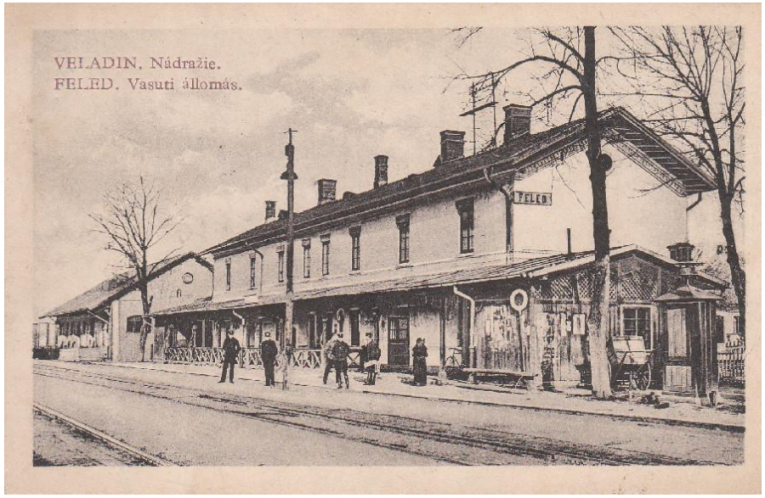
The village's name shifted through the centuries—from Feledincze in 1773, to Feled or Veledín in 1920, and Feledince in 1927. Finally, in 1948, it took on its current name, Jesenské, to honor the famous Slovak poet and writer Janko Jesenský.
Local Hungarian speakers, however, still call it "Feled" today.
Jesenské also boasts a rich noble past. It was originally owned by the Rátolty family, before becoming the property of the Feledis in the 15th century and the Lórantffys in the 16th century, later passing through the hands of several other prominent noble families.
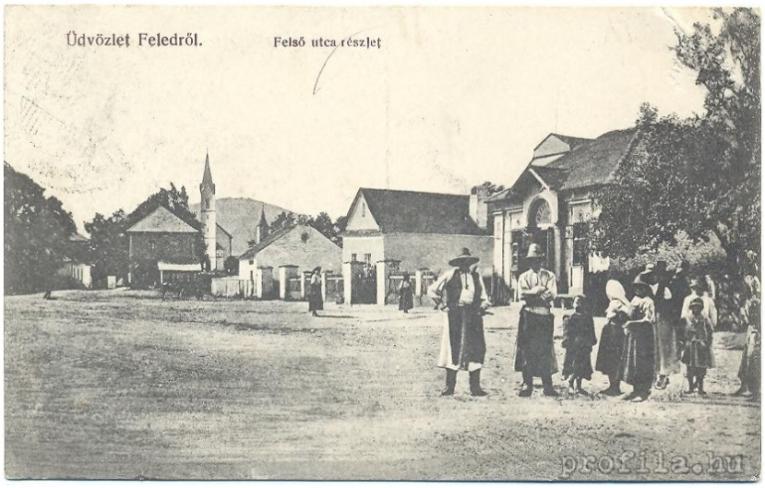
Later on, the village fell under the rule of the Gemer and then the Hajnáčka castle estates. Jesenské went through tough times during the Turkish occupation, but suffered even more in the 18th century under the noble Vay family, whose rule left the local peasants completely impoverished.
Records show that in 1773, there were just 20 homesteads here. By 1818, the village had grown to 54 houses and 414 residents.
Farming was always the main way of life, and from the late 19th century, the village even became a regional administrative hub. It kept its strong agricultural roots right through the era of the first Czechoslovak Republic.

The municipality suffered from significant unemployment. From 1938 to 1944, it was annexed to Hungary. Until 1949, the village functioned as the seat of an administrative district. In this capacity, the district hub encompassed 27 villages and 26 settlements.
During the wartime occupation, an underground resistance group operated within the locality. Following its liberation, the municipality experienced notable development. In the Inventory of Monuments in Slovakia, Jesenské is recorded as a nucleated road village. Under the Austro-Hungarian Monarchy, the official designation of the municipality was Feled.
Following the political turnover of 1918, it was briefly named Veledín and Veladín; from 1922 it was known as Feled and Feledince, and since January 1, 1950, it has officially borne the name Jesenské.
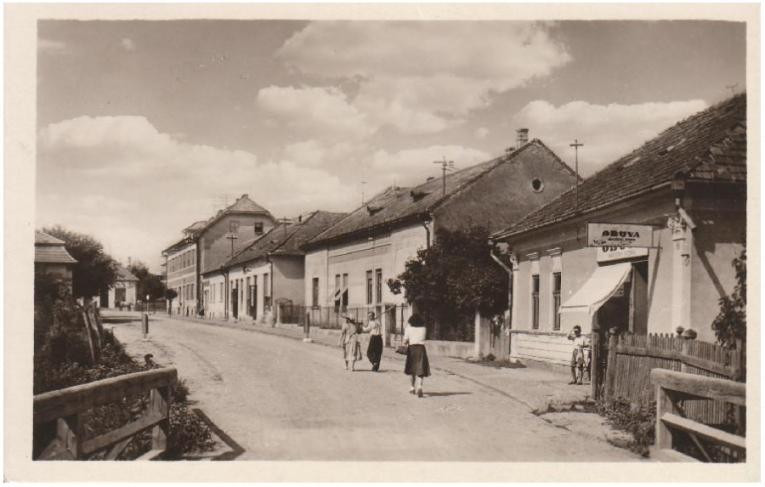
Around the end of the 19th century, the regional district seat was moved here from Rimavská Seč. However, this arrangement came to an end on January 1, 1951, when the district was abolished and the village officially joined the Rimavská Sobota district.
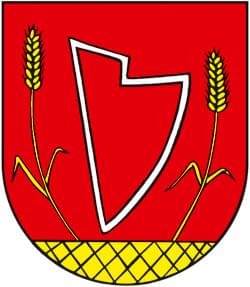
The village's coat of arms
This historic village seal dates all the way back to the second half of the 18th century.
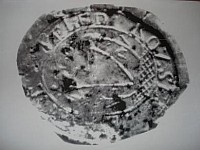
An impression of this historic seal matrix is kept in the collection of city and village seals in Budapest. The seal carries the circular text "FELED KÖZSÉG PECSÉTJE" (The Seal of Feled Village) and showcases a traditional local emblem: a ploughshare framed by two stalks of wheat growing from the earth.
The village hall building
Construction on today's municipal office building supposedly started around 1935–1936. It was spearheaded by Dezider Urbán, who originally owned the property.
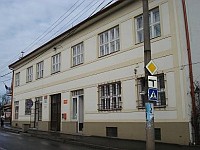
Later on, he rented the upper floor out to the local notary office, while the ground floor housed a pharmacy and a barbershop.
In 1950, the building officially became the home of the Municipal Office, moving from its previous location at what is now the Hungarian primary school near the cemetery.
Sights & Landmarks
The village is home to the beautiful Roman Catholic Church of the Visitation of the Virgin Mary.
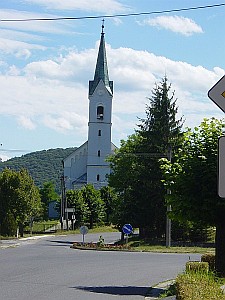
Originally built in the Baroque style back in 1737, this church was remodeled several times over the years and even survived a damaging fire in 1825. Another spiritual landmark is the Reformed Church, built in 1898 in a striking Neoclassical style right on the site of an old medieval church.
History buffs will also love the two historic manor houses in the village. The first is a Late Baroque manor from the end of the 18th century, while the second is a beautiful 19th-century Classical manor house built over an older Renaissance building.
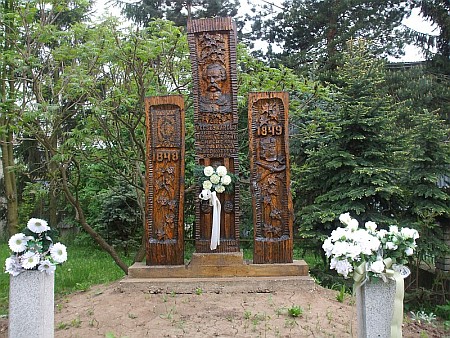
In the village cemetery, you can find unique wooden column grave markers. They are topped with carved finials showing symbols of life, handcrafted by locals around the turn of the 20th century.

A more recent historical landmark worth visiting is the monument dedicated to the victims of World War I and World War II.